
Plumbing is one of those things most homeowners rarely think about—until something goes wrong. A dripping tap, blocked drain, or burst pipe can quickly turn an ordinary day into a stressful and expensive one. The good news is that many common plumbing issues can be prevented with a little knowledge and regular maintenance.
Learning a few basic plumbing tips doesn't mean you need to become a professional plumber. Instead, it helps you spot early warning signs, avoid unnecessary damage, and keep your home's plumbing system running efficiently. Whether you've just moved into a new home or have lived in the same property for years, these practical plumbing tips can save you time, money, and frustration.
1. Know Where Your Main Water Shut-Off Valve Is
Every homeowner should know the location of the main water shut-off valve. This valve controls the water supply entering your home and can be a lifesaver during plumbing emergencies.
If a pipe suddenly bursts or a major leak occurs, turning off the water immediately can prevent extensive water damage to walls, flooring, furniture, and electrical systems. Take a few minutes to locate the valve and make sure everyone in your household knows how to operate it.
It's also a good idea to test the valve once or twice a year to ensure it isn't stuck from lack of use.
2. Never Ignore Small Leaks
A dripping faucet or a small leak beneath the sink may seem harmless, but even minor leaks can waste thousands of litres of water over time. They can also increase your water bills and create moisture that encourages mould and mildew growth.
Small leaks are often early signs of worn washers, damaged seals, loose fittings, or pipe corrosion. Addressing these issues early is usually much cheaper than waiting until they develop into major plumbing repairs.
If you notice damp spots, unexplained puddles, or water stains, investigate the source promptly instead of hoping the problem will disappear.
3. Be Careful What Goes Down Your Drain
One of the most common causes of blocked drains is disposing of the wrong materials into sinks, toilets, and floor drains.
Avoid putting the following items down your drains:
- Cooking grease and oil
- Coffee grounds
- Food scraps
- Hair
- Wet wipes
- Cotton buds
- Paper towels
- Sanitary products
Kitchen grease may appear harmless when it's hot, but once it cools, it solidifies inside your pipes and gradually creates stubborn blockages.
Using drain strainers in sinks and showers is a simple way to catch debris before it enters your plumbing system.
4. Watch Your Water Pressure
Strong water pressure feels great during a shower, but excessive pressure can put unnecessary strain on your pipes, taps, water heater, and appliances.
Over time, high water pressure may lead to leaks, damaged pipe joints, and shortened equipment lifespan.
If you notice unusually forceful water flow or hear banging noises inside your pipes, it may be worth checking your home's water pressure. Installing a pressure-reducing valve can help maintain safe pressure levels and protect your plumbing system.
5. Don't Use Chemical Drain Cleaners Too Often
When faced with a slow drain, many people reach for chemical drain cleaners. While these products may provide temporary relief, frequent use can actually damage your pipes.
Many chemical cleaners contain harsh ingredients that generate heat while dissolving blockages. Older pipes, especially metal plumbing, can become weakened or corroded over time.
Instead, try safer alternatives such as:
- Pouring hot water down the drain
- Using baking soda and vinegar
- Clearing blockages with a drain snake or plunger
If the blockage keeps returning, it may indicate a deeper plumbing problem that requires professional attention.
6. Protect Your Water Heater
Your water heater works hard every day, yet it's often forgotten until there's no hot water left.
Regular maintenance can significantly extend its lifespan and improve energy efficiency. Sediment naturally builds up inside the tank over time, reducing heating performance and increasing energy consumption.
Simple maintenance includes:
- Flushing the tank annually
- Checking for rust or leaks
- Inspecting the pressure relief valve
- Monitoring unusual noises
If your water heater is more than 10 years old and constantly requires repairs, replacing it may be a more cost-effective long-term solution.
7. Learn to Spot Hidden Plumbing Problems
Not every plumbing issue is immediately visible. Some leaks occur behind walls, beneath floors, or inside ceilings, causing damage long before they become obvious.
Keep an eye out for warning signs such as:
- Unexpected increases in your water bill
- Damp or discoloured walls
- Peeling paint
- Musty odours
- Low water pressure
- Mould growth
- Unexplained puddles around your home
The earlier hidden problems are identified, the less expensive they usually are to repair.

8. Prepare Your Plumbing Before Going on Holiday
If you're planning to leave your home for several days or weeks, taking a few precautions can help prevent plumbing surprises when you return.
Before leaving:
- Turn off the main water supply if possible.
- Shut off water to washing machines and dishwashers.
- Check for any existing leaks.
- Empty outdoor hoses if necessary.
- Ask a trusted neighbour to occasionally check your property.
These simple steps can prevent burst hoses, leaking appliances, and water damage while you're away.
9. Schedule Regular Plumbing Inspections
Many homeowners only call a plumber when something breaks. However, preventive inspections can identify developing issues before they become expensive emergencies.
A professional inspection may include checking:
- Water pressure
- Pipe condition
- Drain performance
- Water heater operation
- Toilet seals
- Hidden leaks
- Outdoor plumbing connections
Just like servicing your car regularly, maintaining your plumbing system helps reduce the risk of unexpected breakdowns and costly repairs.
10. Know When to Call a Professional
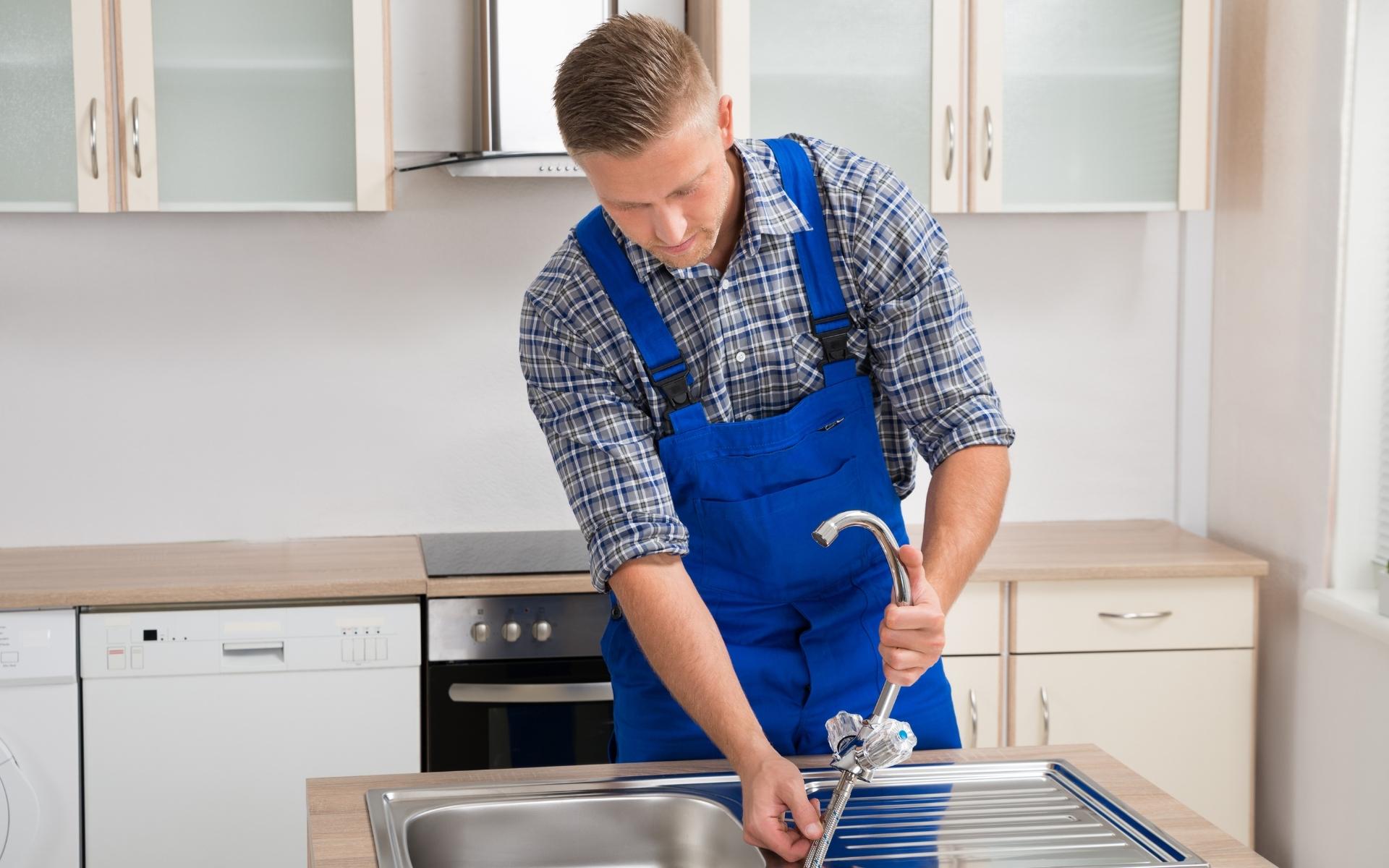
While many minor plumbing tasks can be handled by homeowners, some problems should always be left to experienced professionals.
Call a licensed plumber if you experience:
- Burst pipes
- Persistent drain blockages
- Sewer odours
- Water heater failures
- Major leaks
- Flooding
- Gas-related plumbing work
- Low water pressure affecting the entire house
Attempting complex repairs without the proper tools or experience can often make the problem worse and lead to higher repair costs.
Professional plumbers have specialised equipment that allows them to accurately diagnose problems and complete repairs safely and efficiently.
Bonus Tip: Build Good Everyday Plumbing Habits
The best way to avoid plumbing emergencies is by practising good habits every day. Simple actions such as fixing small leaks quickly, disposing of waste properly, avoiding excessive drain cleaner use, and checking your plumbing regularly can make a significant difference.
Encourage everyone in your household to use plumbing fixtures responsibly. Children, in particular, should understand what should and shouldn't be flushed down the toilet or washed into the sink.
Good habits may seem small, but they help extend the lifespan of your entire plumbing system while reducing repair costs over time.
Final Thoughts
A well-maintained plumbing system provides comfort, convenience, and peace of mind. While some plumbing problems are unavoidable due to normal wear and tear, many of the most common issues can be prevented with routine maintenance and smart daily habits.
By following these essential plumbing tips, homeowners can reduce the risk of costly repairs, improve water efficiency, and keep their home's plumbing running smoothly throughout the year.
Remember that prevention is always more affordable than emergency repairs. Taking a proactive approach today can help you avoid major plumbing headaches tomorrow. And when a problem goes beyond basic maintenance, don't hesitate to contact a qualified plumber to ensure the job is completed safely and correctly.