
Choosing the right hot water system is one of those home decisions that seems simple at first, but quickly becomes overwhelming once you start comparing options. Between gas, electric, solar, storage tanks, and continuous flow systems, it can feel like there are too many variables to consider.
The good news is that once you understand how each system works and what actually matters for your household, the decision becomes much clearer. This guide breaks everything down in a practical, homeowner-friendly way so you can confidently choose a system that suits your budget, lifestyle, and long-term needs.
Understanding the Main Types of Hot Water Systems
Before choosing the right system, it helps to understand the main options available. Each type works differently and comes with its own advantages.
Electric Storage Systems
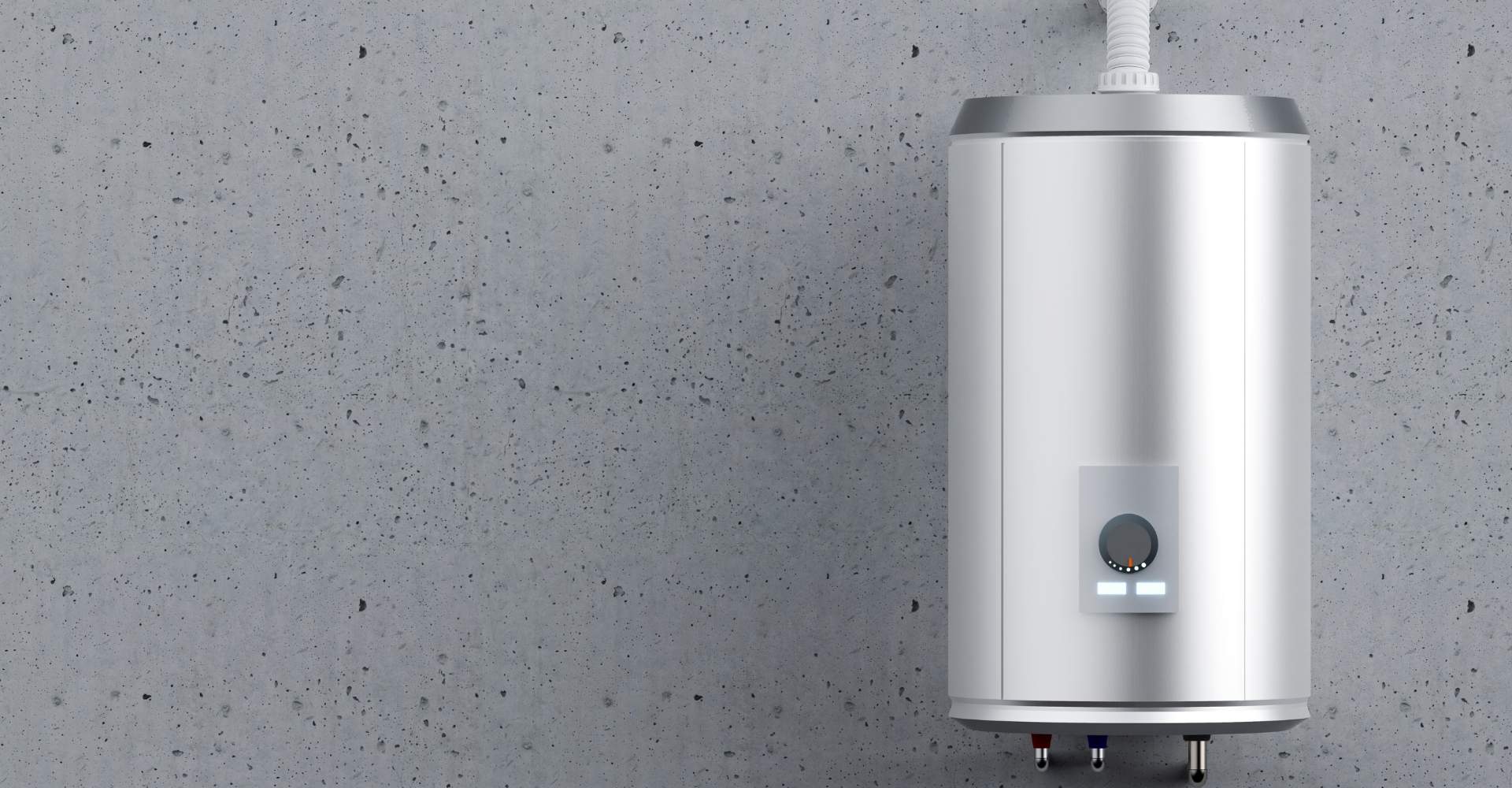
Electric storage systems heat water in a tank and keep it stored until you need it. They are simple, widely available, and often cheaper to install upfront.
However, they can become expensive to run depending on electricity rates, especially if the tank is large or poorly insulated.
Gas Hot Water Systems
Gas systems heat water faster than electric systems and are generally more cost-efficient in areas with natural gas connections. They can be either storage or continuous flow (instant).
They are often preferred for households with higher hot water usage.
Continuous Flow (Instantaneous) Systems
These systems heat water only when needed, meaning there is no storage tank. This makes them energy-efficient and space-saving.
You won’t run out of hot water, but the flow rate may be limited depending on the unit size.
Solar Hot Water Systems
Solar systems use roof-mounted panels to heat water using energy from the sun. They are environmentally friendly and can significantly reduce energy bills over time.
However, they usually require a backup system (gas or electric) for cloudy days or high-demand periods.
Step 1: Assess Your Household Size and Water Usage
The first and most important step is understanding how much hot water your household actually uses.
A small household (1–2 people) may only need a compact system, while larger families often require high-capacity or continuous systems to avoid running out of hot water during peak hours.
Ask yourself:
- How many bathrooms are in use daily?
- Do multiple people shower at the same time?
- Is there frequent use of washing machines or dishwashers?
The more demand you have, the more important it becomes to choose a system that can handle peak usage efficiently.

Step 2: Consider Energy Efficiency and Running Costs
While upfront installation cost matters, long-term running costs often have a bigger impact on your budget.
Gas and solar systems generally offer better long-term savings compared to electric storage systems. Continuous flow systems also reduce waste since they only heat water when needed.
Energy efficiency is usually measured by star ratings. A higher rating typically means lower ongoing costs and better environmental performance.
If your goal is to reduce monthly utility bills, this step should carry significant weight in your decision.
Step 3: Compare Installation Space Requirements
Not every home has the same amount of space available for installation.
- Electric and gas storage systems require space for a tank.
- Continuous flow systems are compact and can often be mounted on a wall.
- Solar systems need roof space for panels plus additional components inside the home.
If you live in an apartment or a smaller property, a compact system like continuous flow is often the most practical choice.
Step 4: Think About Water Heating Speed and Comfort
Comfort is another key factor that homeowners sometimes overlook.
Storage systems may run out of hot water if demand is high. This can be inconvenient in larger households.
Continuous flow systems provide an endless supply of hot water, but water pressure and flow rate can vary depending on system size.
If you value consistent showers without interruptions, this is an important consideration.

Step 5: Evaluate Your Budget (Short-Term vs Long-Term)
Budget plays a big role in your decision, but it’s important to think beyond the initial purchase price.
- Electric storage systems: Lower upfront cost, higher long-term running costs
- Gas systems: Moderate installation cost, efficient operation
- Continuous flow systems: Higher upfront cost, lower operating cost
- Solar systems: Highest installation cost, lowest long-term energy cost
If you plan to stay in your home long-term, investing in a more energy-efficient system can often save more money over time.
Step 6: Check Local Climate and Energy Availability
Your location can influence which system is most efficient.
For example:
- Sunny climates make solar systems more effective
- Homes with gas connections benefit from gas systems
- Areas with high electricity prices may make electric systems less attractive
Choosing a system that matches your local conditions ensures better performance and cost efficiency.
Step 7: Maintenance and Lifespan Considerations
Different systems have different maintenance needs.
- Electric systems: Generally low maintenance but shorter lifespan compared to others
- Gas systems: Require periodic servicing for safety and efficiency
- Solar systems: Require occasional panel and system checks
- Continuous flow systems: Durable but may need descaling in hard water areas
A well-maintained system can last many years longer, so it’s worth considering long-term servicing requirements.
Step 8: Safety and Installation Quality Matter
Even the best hot water system will not perform well if it is poorly installed.
Always ensure installation is carried out by a licensed professional. Proper installation ensures:
- Safe operation
- Energy efficiency
- Compliance with local regulations
- Longer system lifespan
Cutting corners here often leads to higher repair costs later.
Final Thoughts
Choosing the right hot water heater system is about balancing comfort, efficiency, cost, and household needs. There is no single “best” system for everyone—the right choice depends on how you live and what you value most.
If you prioritize low running costs, gas or solar systems may be ideal. If you want endless hot water and compact design, continuous flow systems are often the best option. For budget-friendly installation, electric storage systems still remain a practical choice for many homes.
Taking the time to assess your household size, energy usage, and long-term goals will help you make a smart, future-proof decision that keeps your home comfortable for years to come.