
Have you ever stepped into the shower only to find the water trickling out instead of flowing with enough pressure? Or perhaps you've noticed that running the dishwasher while someone is taking a shower causes the water pressure to drop significantly. These are common household problems that can quickly become frustrating.
Low water pressure isn't always caused by faulty plumbing. In many homes, especially multi-storey properties or those located in areas with inconsistent municipal water supply, the issue comes down to insufficient water pressure entering the property. This is where a booster pump can make a significant difference.
A booster pump is designed to increase water pressure throughout your home, providing a stronger and more consistent flow whenever you turn on a tap, shower, or appliance. In this article, we'll explain how booster pumps work, when you might need one, and the benefits they can bring to your home's plumbing system.
What Is a Booster Pump?
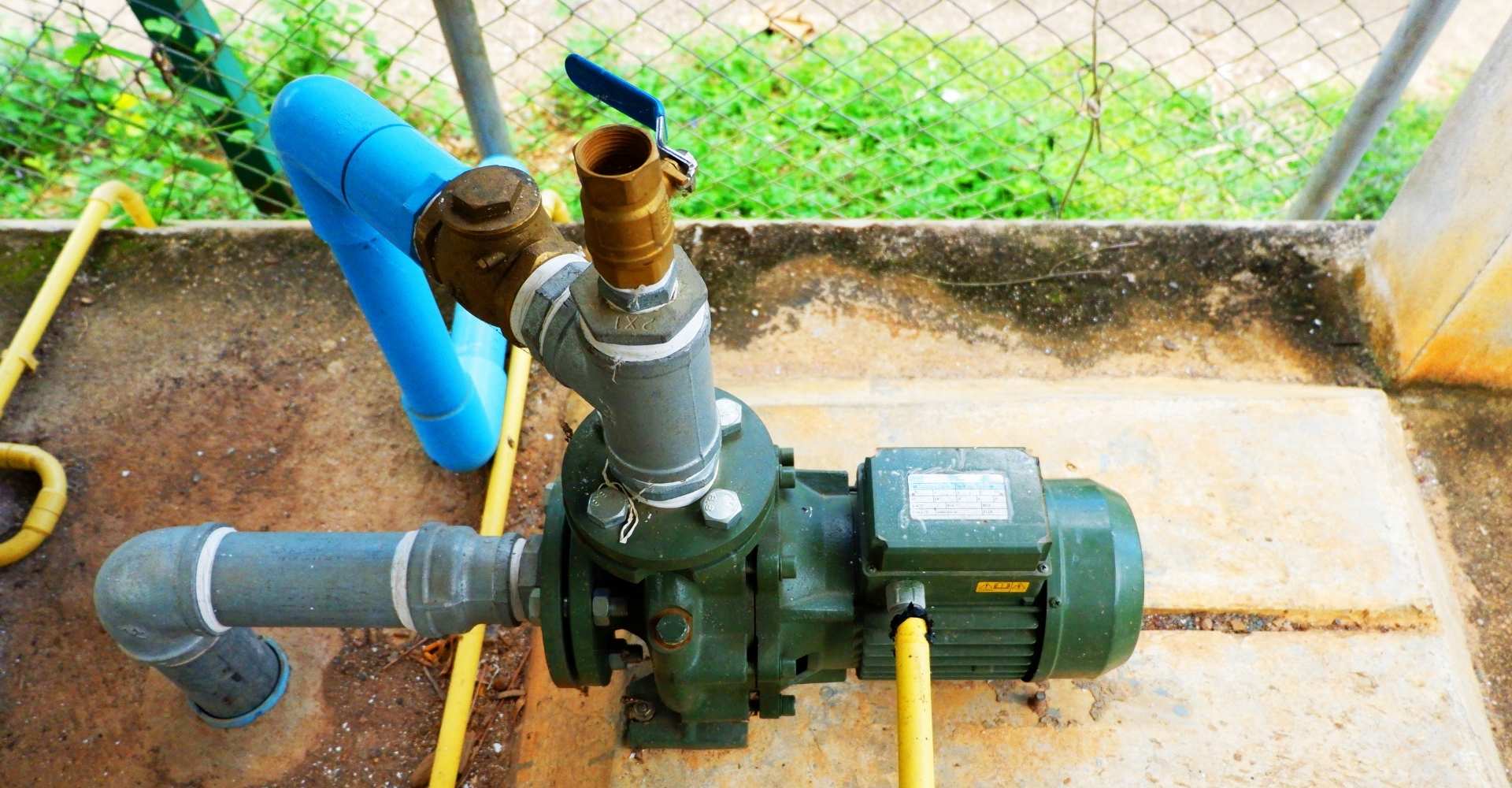
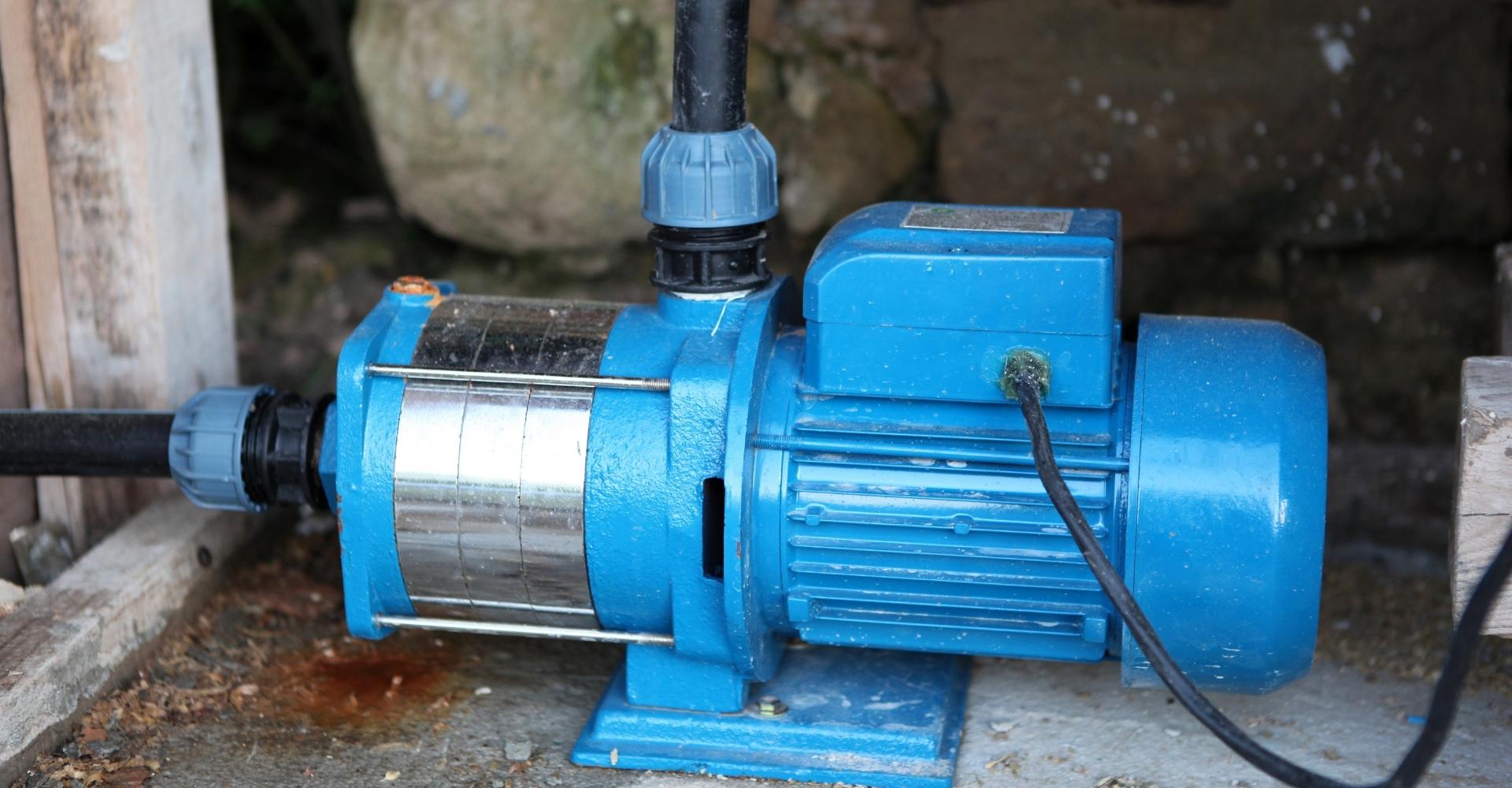
A booster pump is a mechanical device that increases the pressure of water flowing through your plumbing system. It works by drawing water from the main supply and using an electric motor and impeller to increase its pressure before distributing it throughout the property.
Think of it as giving your home's water supply an extra push. Instead of relying solely on the pressure provided by your local water supplier, a booster pump ensures water reaches every outlet with enough force to meet your daily needs.
Booster pumps are commonly installed in:
- Residential homes
- Double-storey and multi-storey houses
- Apartments and condominiums
- Commercial buildings
- Offices and retail spaces
Whether you're washing dishes, watering the garden, or taking a shower, a booster pump helps maintain a comfortable and reliable water flow.
How Does a Booster Pump Work?
The operation of a booster pump is relatively straightforward.
When water enters your property's plumbing system, the pump detects the demand for water. Once a tap or appliance is switched on, the pump activates automatically. Its motor spins an impeller that increases the water's velocity and pressure before sending it through your pipes.
Many modern booster pumps include intelligent pressure sensors that automatically adjust their speed based on water demand. This means the pump only works when needed, improving efficiency and reducing electricity consumption.
The result is consistent water pressure, even when multiple taps or appliances are being used simultaneously.
Signs Your Home May Need a Booster Pump
Not every water pressure problem requires a booster pump, but there are several signs that indicate your home could benefit from one.
Weak Shower Pressure
One of the most noticeable signs is a shower that produces only a weak stream of water. This can make daily routines less comfortable and increase the time it takes to shower.
Low Pressure on Upper Floors
In double-storey homes, water pressure often decreases on the upper floor because gravity makes it more difficult for water to travel upwards. A booster pump helps maintain equal pressure throughout the house.
Multiple Fixtures Cause Pressure Drops
If turning on a washing machine causes the kitchen tap to lose pressure, or using two showers at once results in weak water flow, your existing water supply may not be sufficient.
Slow Filling of Water Tanks
Water storage tanks, bathtubs, or even washing machines may take much longer than expected to fill if water pressure is consistently low.
Inconsistent Water Flow Throughout the Day
Some homeowners notice that water pressure changes depending on the time of day, especially during peak usage hours. A booster pump can help minimise these fluctuations.
Benefits of Installing a Booster Pump
Installing a booster pump offers more than just stronger water pressure. It improves the overall performance and convenience of your home's plumbing system.
Improved Shower Experience
Few things are more satisfying than a shower with steady, comfortable water pressure. A booster pump delivers a more enjoyable shower by maintaining consistent water flow.
Better Performance for Household Appliances
Many household appliances rely on adequate water pressure to operate efficiently. Dishwashers, washing machines, water heaters, and filtration systems all perform better when supplied with consistent pressure.
Faster Everyday Tasks
Simple tasks like washing dishes, filling pots, cleaning the driveway, or watering the garden become quicker and more efficient with stronger water flow.
Consistent Water Supply Across the Home
A booster pump ensures that every tap receives adequate pressure, even when multiple family members are using water simultaneously.
Increased Property Comfort
Reliable water pressure improves your overall living experience. You no longer have to plan showers around laundry cycles or worry about weak water flow in different parts of the house.

Choosing the Right Booster Pump
Not all booster pumps are the same. Choosing the right model depends on several factors.
Property Size
A larger home with multiple bathrooms requires a pump capable of supplying higher flow rates than a small apartment.
Number of Water Fixtures
Consider how many taps, showers, toilets, and appliances may operate simultaneously.
Existing Water Pressure
A professional plumber should measure your incoming water pressure before recommending the appropriate booster pump.
Pump Capacity
Selecting a pump that's too small may not solve your problem, while an oversized pump can waste energy and place unnecessary stress on your plumbing system.
Noise Level
Modern booster pumps are generally much quieter than older models. If the pump will be installed near living areas, choosing a low-noise model can improve comfort.
Professional Installation Matters
Although booster pumps may appear straightforward, proper installation is essential.
A qualified plumber will assess your property's plumbing layout, measure water pressure, determine the correct pump size, and ensure all safety requirements are met.
Incorrect installation can result in:
- Water hammer and noisy pipes
- Reduced pump lifespan
- Water leaks
- Pressure that's too high for household plumbing
- Increased energy consumption
Professional installation ensures the system operates safely, efficiently, and complies with local plumbing standards.
Maintaining Your Booster Pump
Like any mechanical equipment, booster pumps perform best with regular maintenance.
Simple maintenance tasks include:
- Inspecting for leaks around the pump.
- Cleaning filters if applicable.
- Checking electrical connections.
- Listening for unusual noises.
- Scheduling routine servicing by a qualified plumber.
Routine maintenance helps prevent unexpected breakdowns and extends the life of the pump.
Can a Booster Pump Solve Every Water Pressure Problem?
While booster pumps are highly effective, they aren't the solution to every low-pressure issue.
Sometimes poor water pressure is caused by:
- Blocked or corroded pipes
- Hidden water leaks
- Faulty pressure-reducing valves
- Partially closed isolation valves
- Problems with the municipal water supply
Before installing a booster pump, it's important to have your plumbing system inspected. A professional plumber can identify the root cause and recommend the most appropriate solution.
Final Thoughts
Low water pressure can affect everything from your morning shower to the performance of your household appliances. Fortunately, a booster pump offers a practical and reliable way to improve water flow throughout your home.
Whether you live in a single-storey house, a multi-level property, or a building with inconsistent water pressure, the right booster pump can provide stronger, more consistent water flow where you need it most.
If you've been dealing with weak water pressure, don't ignore the problem. A professional plumbing inspection can determine whether a booster pump is the right solution or if another issue needs attention. With expert advice and proper installation, you'll enjoy improved comfort, greater convenience, and a plumbing system that performs efficiently every day.