
Plumbing installation is one of the most important parts of any new home construction or renovation project. While it is often hidden behind walls and under floors, a properly designed and installed plumbing system directly affects comfort, safety, water efficiency, and long-term maintenance costs.
Whether building a new house or upgrading an existing property, understanding how plumbing installation works helps homeowners make better decisions, avoid costly mistakes, and ensure the system performs reliably for years.
This guide breaks down everything you need to know about plumbing installation for new homes and renovations, from planning and system design to installation steps, materials, and common mistakes to avoid.
Understanding Plumbing Installation in Modern Homes
Plumbing installation refers to the setup of water supply lines, drainage systems, and fixtures that allow water to flow in and out of a building efficiently. It is typically divided into three main systems:
- Water supply system – delivers clean water to taps, showers, toilets, and appliances
- Drainage system – removes wastewater safely from the home
- Vent system – regulates air pressure in pipes and prevents sewer gases from entering living spaces
In modern construction, plumbing systems are designed to be more efficient, durable, and environmentally friendly. Proper installation ensures balanced water pressure, leak prevention, and compliance with building regulations.
Planning Before Plumbing Installation Begins
Good plumbing begins long before any pipes are installed. Planning is one of the most critical stages, especially for new homes and major renovations.
1. Understanding the Building Layout
The layout of the house determines how pipes will be routed. Bathrooms, kitchens, laundry areas, and outdoor water points should be strategically placed to reduce pipe length and improve efficiency.
2. Water Demand Calculation
A professional plumber will estimate the household’s water usage based on:
- Number of bathrooms
- Number of occupants
- Appliances such as washing machines and dishwashers
This ensures the system is designed to handle peak usage without pressure issues.
3. Choosing the Right System Design
There are two common plumbing system designs:
- Trunk and branch system – a main pipe distributes water to smaller branches
- Manifold system – individual pipes run directly from a central control point to each fixture
Each has its advantages depending on budget, maintenance needs, and building size.
Essential Materials Used in Plumbing Installation
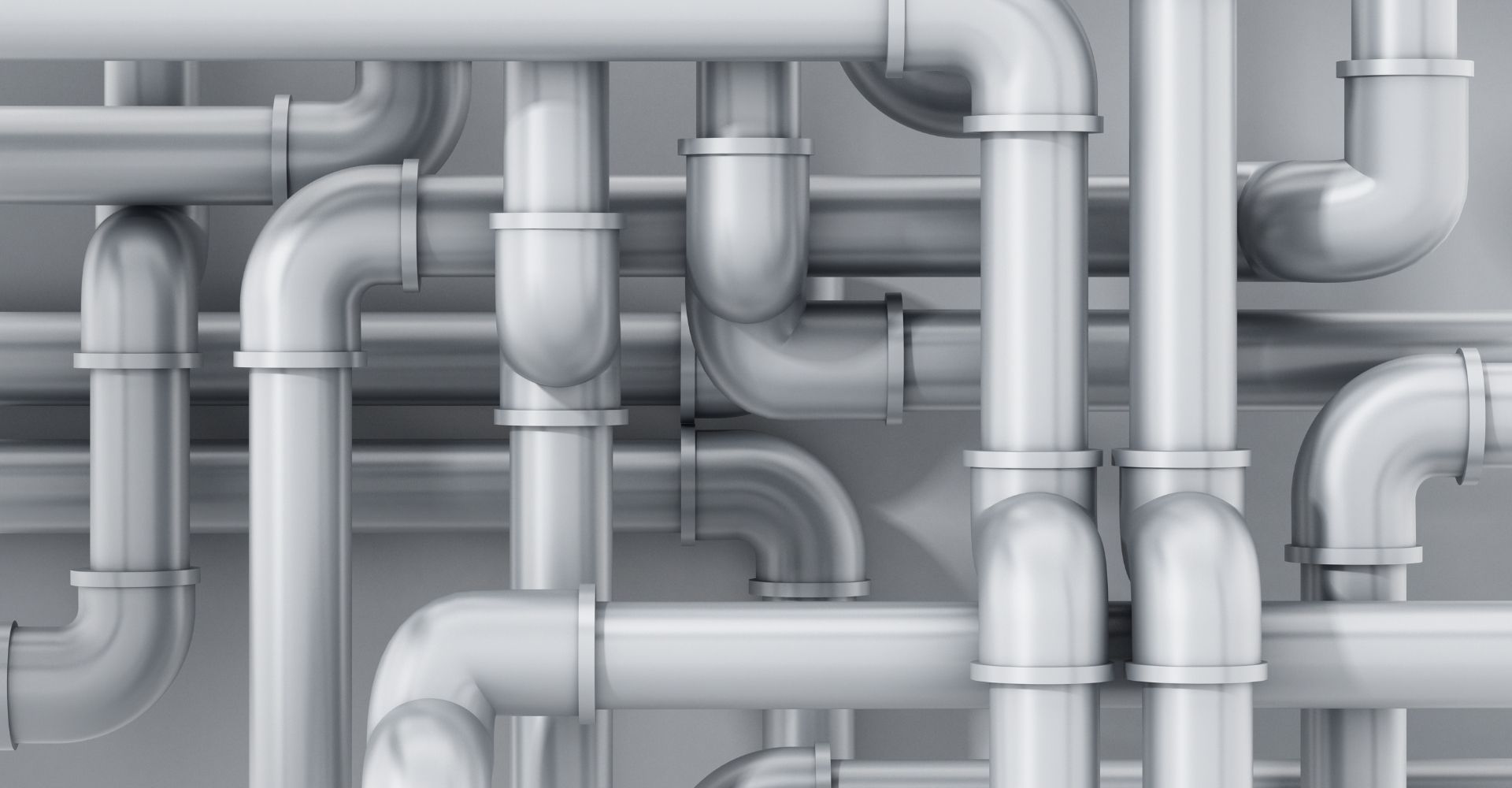
The quality of materials used plays a major role in system durability and performance. Some commonly used plumbing materials include:
PVC (Polyvinyl Chloride)
- Used mainly for drainage systems. It is lightweight, cost-effective, and resistant to corrosion.
PPR (Polypropylene Random Copolymer)
- Commonly used for hot and cold water supply lines due to its heat resistance and long lifespan.
- Known for durability and resistance to bacteria. Often used in high-end installations but more expensive.
Stainless Steel Fittings
- Used in specific areas where strength and corrosion resistance are required.
Choosing the right combination of materials ensures long-term reliability and reduces the risk of leaks or pipe failures.
Step-by-Step Plumbing Installation Process
A professional plumbing installation typically follows a structured process to ensure accuracy and safety.
Step 1: Site Inspection and Measurement
The plumber reviews architectural plans and inspects the site to determine pipe routes, fixture locations, and potential challenges.
Step 2: Rough-In Plumbing
This stage involves installing pipes inside walls, floors, and ceilings before they are sealed with plaster or tiles. It includes:
- Water supply lines
- Drainage pipes
- Vent pipes
Precision is crucial at this stage since corrections later can be costly.
Step 3: Pressure Testing
Once pipes are installed, the system is tested for leaks by applying water or air pressure. Any faults must be fixed before finishing work continues.
Step 4: Fixture Installation
After walls and floors are completed, fixtures such as sinks, toilets, showers, and faucets are installed and connected to the plumbing system.
Step 5: Final Inspection and Testing
The entire system is tested again to ensure proper water flow, drainage efficiency, and leak-free performance.

Plumbing Installation for Renovation Projects
Renovation plumbing is often more complex than new construction because it involves working with existing systems.
Challenges in Renovations
- Limited access to hidden pipes
- Old or corroded plumbing systems
- Structural limitations
- Matching new fixtures with old pipe sizes
Common Renovation Upgrades
- Replacing old galvanized pipes with modern PPR or copper
- Upgrading bathroom layouts for better water efficiency
- Installing new water heaters or pressure systems
- Improving drainage to prevent blockages
A proper assessment of the existing system is essential before starting any renovation work.
Importance of Proper Plumbing Installation
A well-installed plumbing system provides several long-term benefits:
1. Prevents Water Leaks
Leaks can cause structural damage, mold growth, and high water bills. Proper installation minimizes these risks.
2. Improves Water Efficiency
Modern plumbing systems are designed to reduce water wastage and maintain consistent pressure.
3. Enhances Property Value
A reliable plumbing system adds value to a home, especially during resale or rental.
4. Reduces Maintenance Costs
High-quality installation reduces the need for frequent repairs and emergency plumbing services.
Common Plumbing Installation Mistakes to Avoid
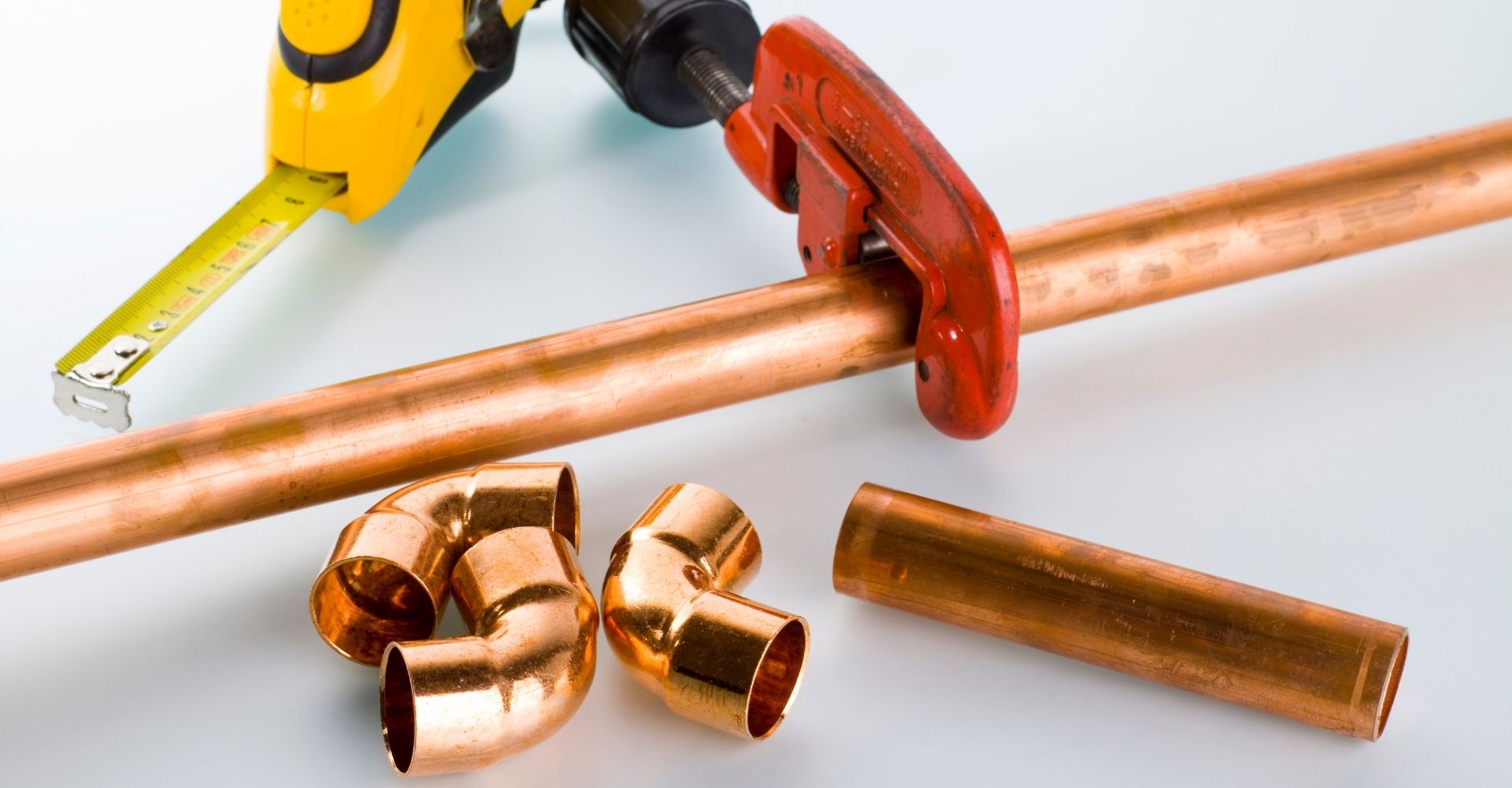
Even small errors during installation can lead to major issues later. Some common mistakes include:
Incorrect Pipe Sizing
- Using pipes that are too small can reduce water pressure, while oversized pipes can increase costs unnecessarily.
Poor Pipe Routing
- Long or unnecessary pipe runs increase the risk of leaks and reduce efficiency.
Ignoring Ventilation
- Without proper venting, drainage systems can develop slow flow, blockages, and unpleasant odors.
Using Low-Quality Materials
- Cheap materials may reduce upfront costs but often lead to early system failure.
Skipping Pressure Testing
- Failing to test the system before finishing construction can result in hidden leaks that are expensive to fix.
Working with a Professional Plumber
Hiring an experienced plumber is essential for ensuring proper installation. A qualified professional will:
- Design an efficient plumbing layout
- Ensure compliance with building codes
- Use appropriate materials and techniques
- Conduct proper testing and inspection
- Provide long-term maintenance advice
DIY plumbing may seem cost-effective, but mistakes can lead to expensive repairs and safety risks.
Future Trends in Plumbing Installation
Modern plumbing continues to evolve with new technologies and sustainability practices.
Water-Efficient Systems
- Low-flow fixtures and smart water monitoring systems help reduce water consumption.
Smart Plumbing Technology
- Sensors can now detect leaks, monitor usage, and even shut off water automatically during emergencies.
Eco-Friendly Materials
- More installations are using recyclable and environmentally safe materials.
These advancements are making plumbing systems more efficient, sustainable, and user-friendly.
Conclusion
Plumbing installation is a foundational part of any new home or renovation project. When properly planned and executed, it ensures long-lasting performance, efficient water usage, and minimal maintenance issues.
From selecting the right materials to following a structured installation process, every step plays an important role in building a reliable system. Whether constructing a new home or upgrading an old one, investing in professional plumbing installation is always a smart decision that pays off in the long run.