
A plumbing emergency can turn a normal day into a stressful situation within minutes. Whether it’s a burst pipe, overflowing toilet, or sudden water leak, these problems can quickly cause water damage, disrupt your home, and lead to costly repairs if not handled properly.
The good news is that knowing what to do in the first few minutes can make a huge difference. With the right steps, you can control the situation, reduce damage, and keep your home safe until a professional plumber arrives.
This guide walks you through exactly what to do when a plumbing emergency happens at home, explained in a simple and practical way.
1. Stay Calm and Quickly Assess the Situation
The first and most important step is to stay calm. Panic often leads to mistakes, and in plumbing emergencies, every second counts.
Take a quick look around and identify the problem:
- Is water actively leaking or flooding?
- Where is the water coming from?
- Is it a burst pipe, overflowing toilet, or appliance issue?
Understanding the source helps you decide the next step faster. Even a quick 10–20 second assessment can prevent the situation from getting worse.
2. Shut Off the Main Water Supply Immediately
Once you identify that water is leaking or flooding, the next step is to stop the water flow.
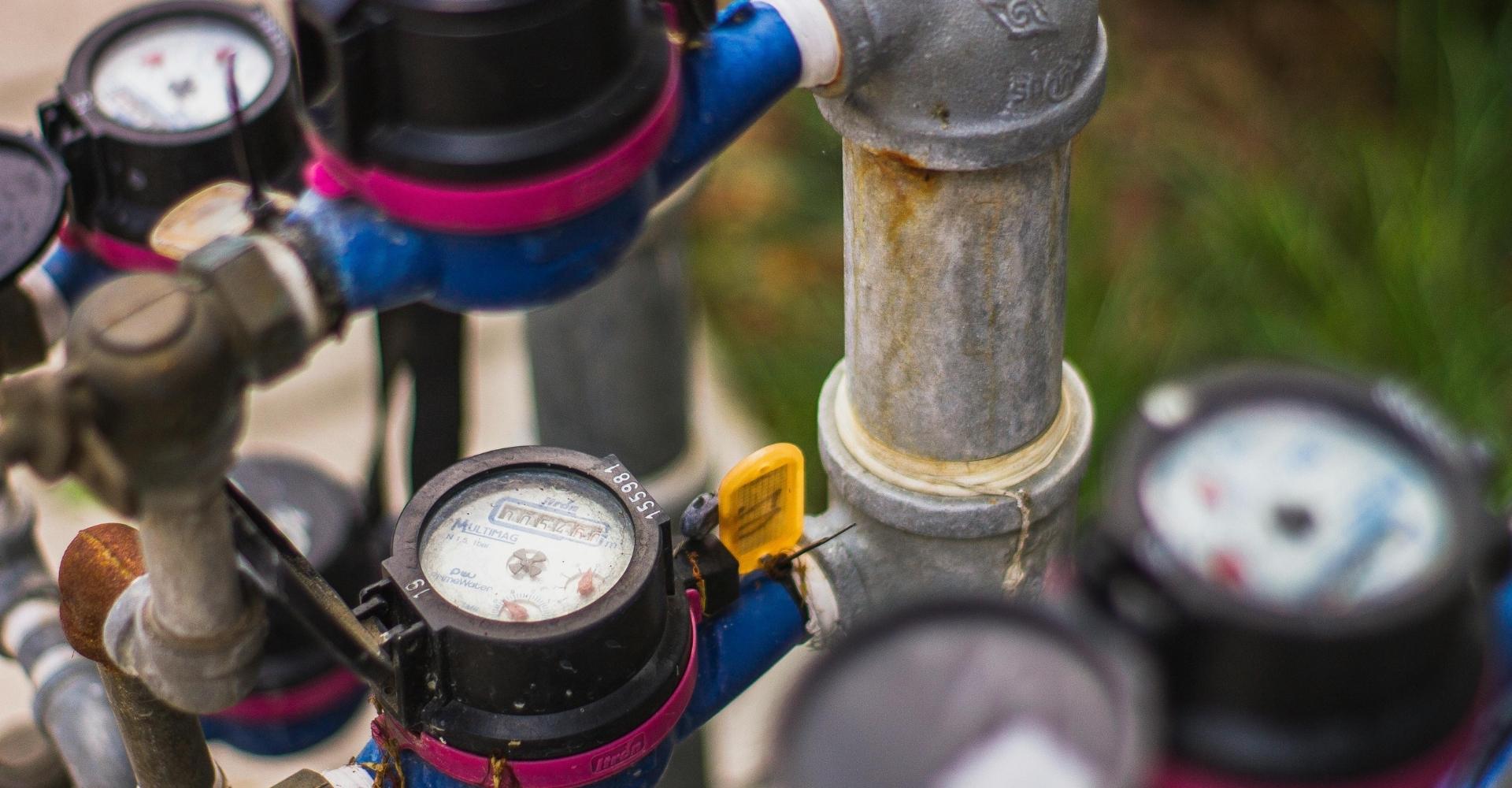
Every home has a main water shut-off valve, usually located:
- Near the front of the house
- In the kitchen or bathroom area (under sinks in some homes)
- Near the water meter outside the house
Turn the valve clockwise to shut it off.
This step is crucial because it immediately stops more water from entering your plumbing system. If you skip this step, even a small leak can turn into serious flooding within minutes.
3. Turn Off the Water Heater (If Necessary)
If the emergency involves a major leak or burst pipe, it’s also a good idea to turn off your water heater.
Why? Because if the tank keeps heating without water supply, it may overheat or get damaged.
For electric water heaters:
- Switch off the power at the circuit breaker
For gas water heaters:
- Turn the gas control knob to “off”
This step helps protect your system and prevents further complications while waiting for repairs.
4. Turn Off Electricity in Affected Areas
Water and electricity are a dangerous combination. If the leak is near electrical outlets, appliances, or wiring, take immediate precautions.
- Turn off power to the affected area from the circuit breaker
- Avoid stepping into standing water near electrical sources
Safety should always come first. If you are unsure, stay away from the area and wait for professional help.
5. Contain the Water as Much as Possible
After shutting off the water supply, your next goal is to limit the damage.
You can:
- Use towels, mops, or buckets to soak up water
- Place containers under active leaks
- Move furniture and electronics away from water
- Use plastic bins or trays to redirect dripping water
Even small actions can help prevent floor damage, mold growth, and electrical hazards.
If the leak is from a pipe, wrapping it tightly with cloth or tape may temporarily slow the leak until a plumber arrives.

6. Identify the Type of Plumbing Emergency
Different plumbing issues require different responses. Here are some common emergencies and what they usually mean:
Burst Pipes
- A burst pipe is one of the most serious plumbing problems. It can release a large amount of water quickly and cause major damage.
Overflowing Toilet
- This usually happens due to a blockage in the drain line or excessive flushing.
- Water backing up in sinks, showers, or floor drains indicates a serious blockage in the system.
Water Heater Failure
- Leaks or no hot water may indicate internal tank issues or pressure problems.
Understanding the type of issue helps when explaining the problem to a plumber later.
7. Avoid Using Affected Plumbing Fixtures
During an emergency, do not continue using sinks, toilets, or showers connected to the problem area.
For example:
- Don’t flush toilets if sewage is backing up
- Don’t run water if pipes are leaking
- Avoid using appliances connected to water lines (washing machine, dishwasher)
Continuing to use plumbing fixtures can worsen the issue and increase repair costs.
8. Call a Professional Emergency Plumber
Once the situation is under control, contact a licensed plumber as soon as possible.
When calling, be ready to provide:
- A description of the problem
- When it started
- What steps you have already taken
- Whether the water is still running or shut off
A clear explanation helps the plumber prepare the right tools and respond faster.
Emergency plumbing services are designed to handle urgent issues, so don’t delay calling for help.
9. Document the Damage (If Safe to Do So)
If it’s safe, take photos or videos of the affected area before cleaning up completely.
This can be useful for:
- Insurance claims
- Repair documentation
- Proof of damage before restoration
Focus on capturing:
- Water damage on floors or walls
- The source of the leak
- Damaged furniture or belongings
Only do this if it does not put you at risk.
10. Prevent Future Plumbing Emergencies
After the emergency is resolved, it’s important to take preventive steps to avoid repeating the same issue.
Here are some practical tips:
- Schedule regular plumbing inspections
- Avoid flushing non-degradable items
- Clean drains periodically to prevent blockages
- Check for early signs of leaks (water stains, low pressure, damp smells)
- Insulate pipes during colder months if applicable
Preventive care is always cheaper and less stressful than emergency repairs.
Final Thoughts
A plumbing emergency can feel overwhelming, but having a clear action plan makes all the difference. The key steps are simple: stay calm, shut off the water, ensure safety, contain the damage, and call a professional plumber.
The faster you respond, the less damage your home will suffer. While you may not be able to fix the issue yourself, you can absolutely control how much impact it has.
Being prepared with this knowledge means you’re already one step ahead when the unexpected happens.